Subscriber Exclusive
Weave a Bag with Plastic Bags
Don’t throw out old grocery bags; instead, learn how to turn them into “plarn” and use them to weave something wonderful!
Don’t throw out old grocery bags; instead, learn how to turn them into “plarn” and use them to weave something wonderful! <a href="https://littlelooms.com/weave-a-bag-with-plastic-bags/">Continue reading.</a>
https://littlelooms.com/cdn-cgi/image/format=auto/https://www.datocms-assets.com/70931/1779396816-1658250983-woven-bag-of-the-month-upcycle-plastic-bags-v2.jpg?auto=format&w=900
You can find this featured project in the Little Looms Library as a subscriber-exclusive download. (Not a subscriber yet? Find out more information about the different levels and benefits here.)
Weavers have a long history of recycling—if you have to make every stitch of cloth from the thread up, you’re certainly not going to waste a single scrap. Instead of throwing out worn-out cloth, weavers would turn it into weft and make rugs and or cloth for garments. So, it’s no surprise that not only do weavers use plastic bags for weft, but they also have a special name for it: plarn.
Like many people, I have a stash of plastic bags I keep in my cupboard.
SUBSCRIBER EXCLUSIVE
You can find this featured project in the Little Looms Library as a subscriber-exclusive download. (Not a subscriber yet? Find out more information about the different levels and benefits here.)
Weavers have a long history of recycling—if you have to make every stitch of cloth from the thread up, you’re certainly not going to waste a single scrap. Instead of throwing out worn-out cloth, weavers would turn it into weft and make rugs and or cloth for garments. So, it’s no surprise that not only do weavers use plastic bags for weft, but they also have a special name for it: plarn.
Like many people, I have a stash of plastic bags I keep in my cupboard. [PAYWALL]In the past, it was mostly flimsy grocery bags. Then, a few years ago, my town banned stores from giving out single-use plastic bags. You’d think that would cause my stash to dwindle into nothing, but instead, it completely changed the quality of the plastic bags. These new bags are thick, and in some cases, colorful—I have brilliant reds and bright pinks. I could use them to line a trash can or, even better, I can turn them into weft!
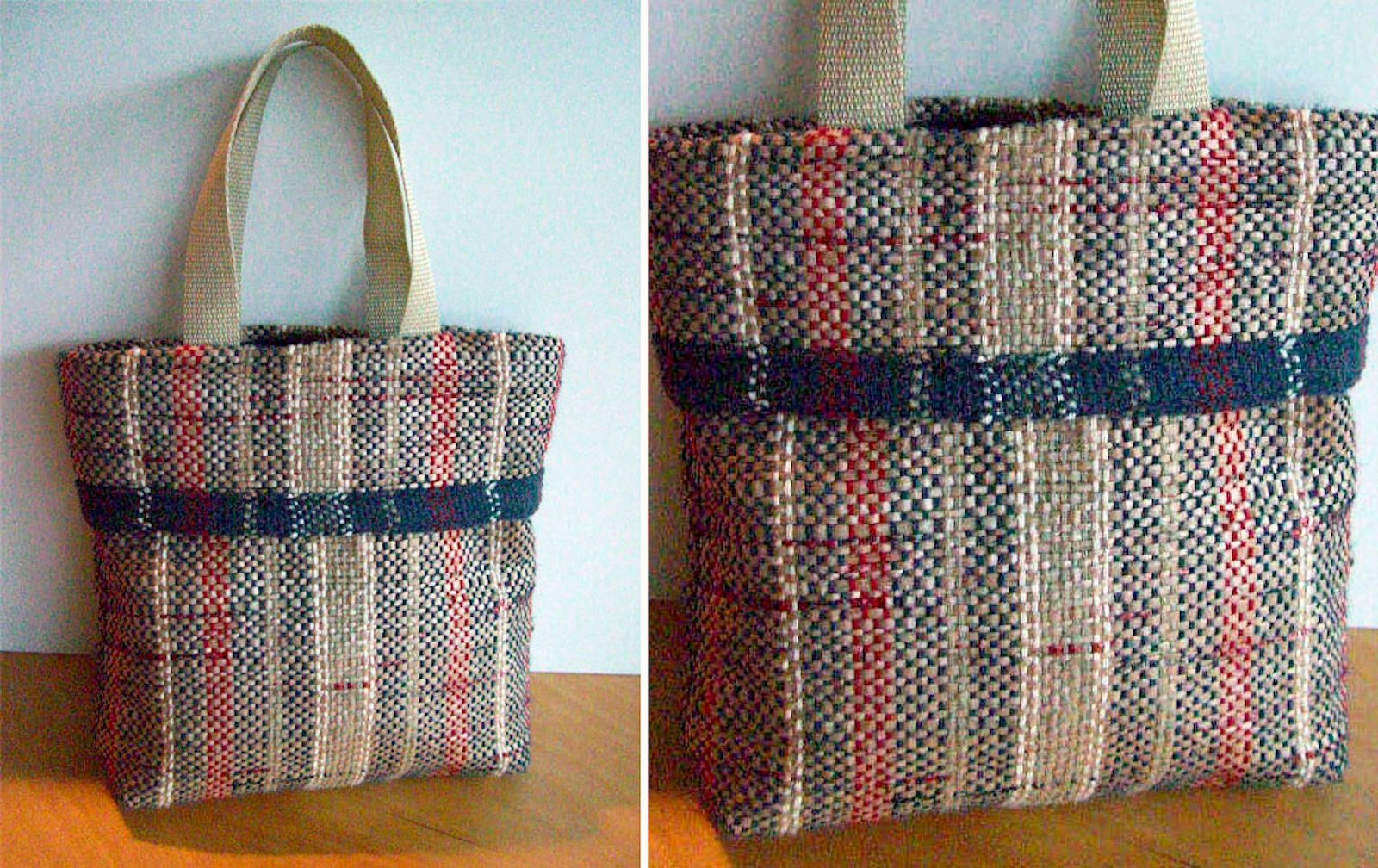
 Virginia wove this beautiful tote using old plastic grocery bags.
Making plarn is relatively simple—you need only a plastic bag and a pair of scissors—and it weaves up into a thick, sturdy, and water-resistant fabric. I’ve seen weavers use plarn to make placemats, runners, and, of course, bags of all kinds. Follow the instructions we've included below to make your plarn quickly and easily.
Step 1: Lay the bag on a flat surface. Cut off the handles and the bottom seam, leaving a tube.
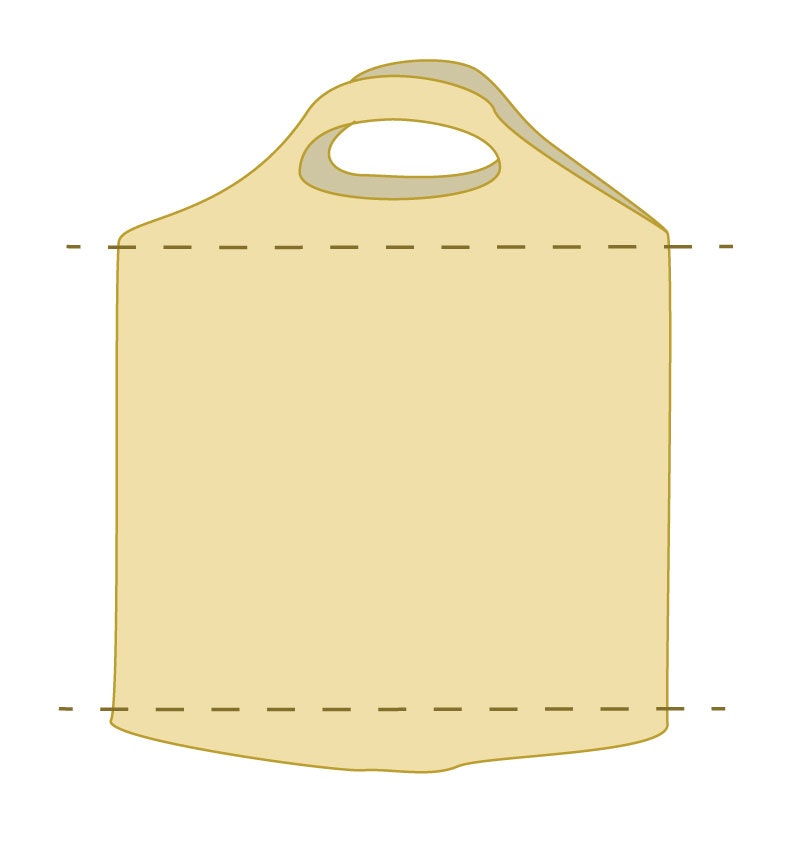
Step 2: Roll one of the folded edges toward the other side, stopping a couple of inches before the second fold.
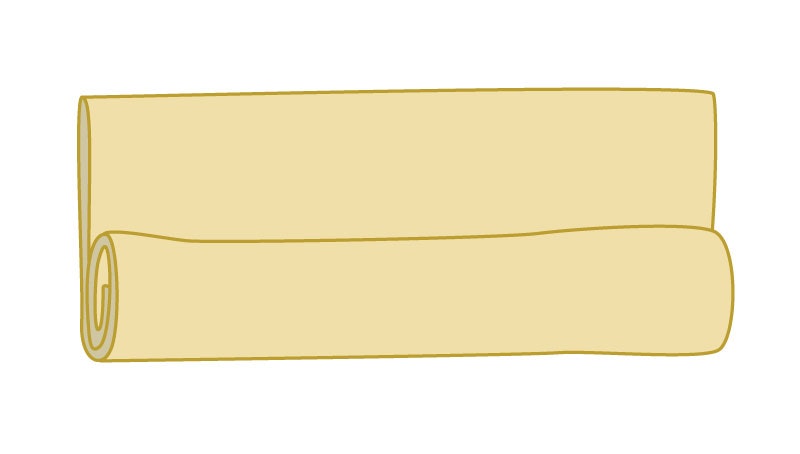
Step 3: Using scissors, cut 1"-wide strips across the roll, stopping each cut several inches before the second fold.
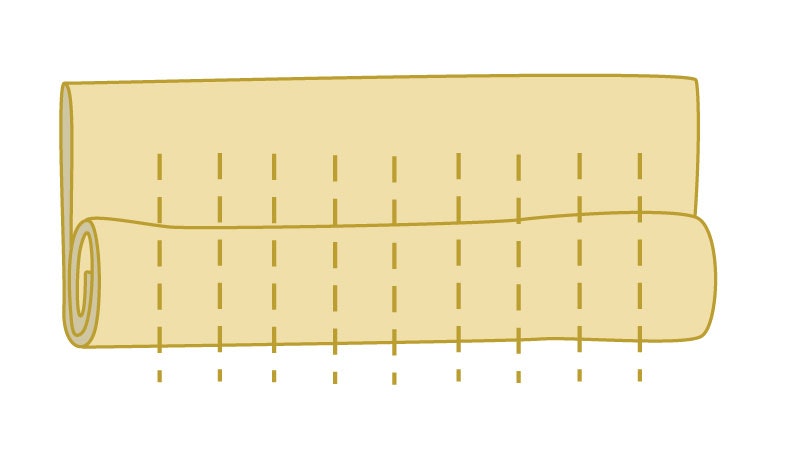
Step 4: Unfurl the roll, letting the strips dangle. Place your nondominant arm through the tube with the uncut fold at the top.
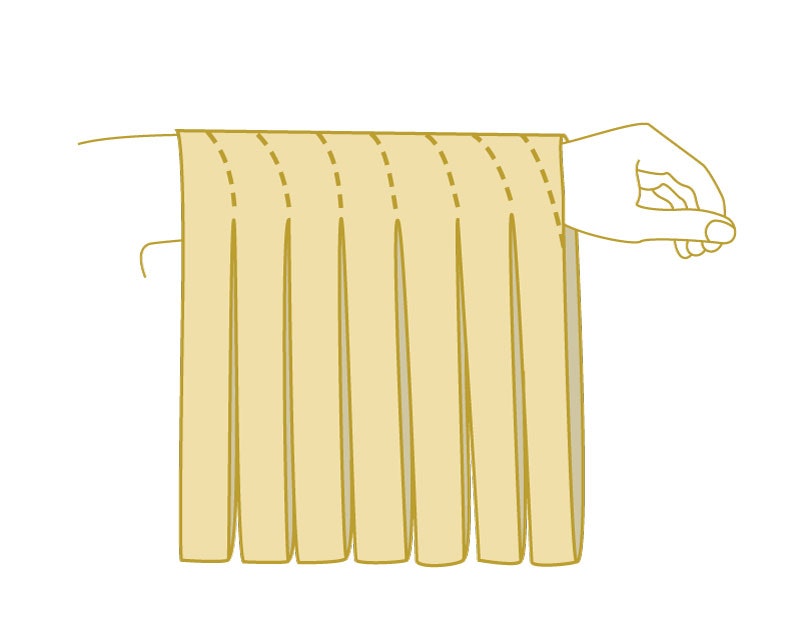
Step 5: Starting at the edge closest to your hand, cut at a diagonal from the edge across the top fold to the first cut. That first strip will drop down. Cut across the top fold at a diagonal to the second cut.
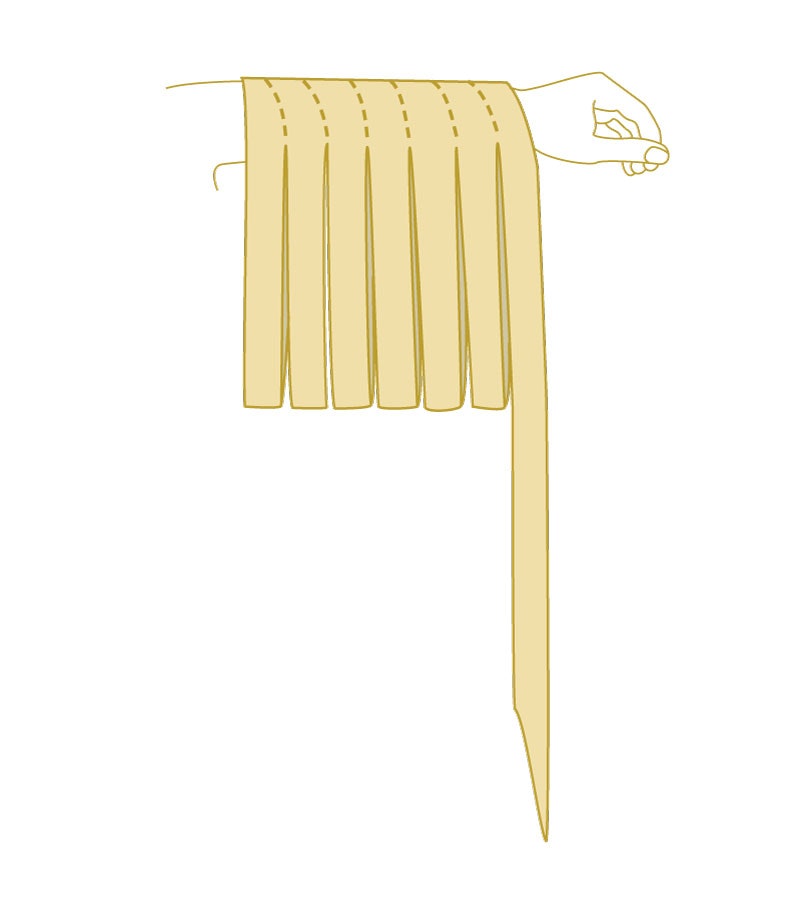
Step 6: Continue cutting until you have a long strip of plarn.
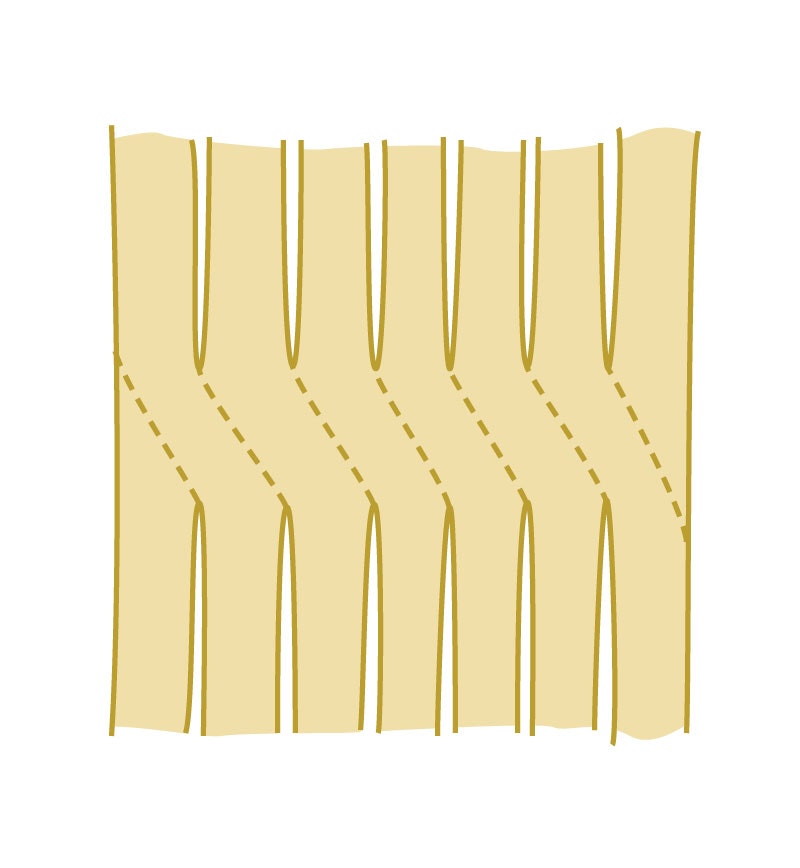
Step 7: After you‘ve got your plarn cut up and ready to go, it's time to warp and weave your bag.
Ready for a project? So, if you have a stash of plastic bags sitting idly in a cupboard, closet, or under the sink, consider turning at least some of them into plarn and weaving yourself a one-of-a-kind recycled plastic bag. If you need a starting point, Virginia Balch’s A Dressed-Up Recycled Bag, originally published in Handwoven, is a fun and easy rigid-heddle project. Don’t worry if you’re not experienced at sewing. Virginia constructed the bag with a boxed bottom, a super-simple, beginner-friendly method for making bags—and I say this as somebody who is terrible at sewing.
You can find Virginia’s project in the Little Looms Library as a subscriber-exclusive download. Even if you don’t weave the project as-written, I hope it inspires you to look at your stash of plastic bags with fresh eyes.
Happy Weaving!
Christina
Illustrations by Ann Swanson